The Complete Guide to Brain Health and Cognitive Support in 2026
Key Takeaways
- ✓ Your brain undergoes significant changes as you age, including neuron loss.
- ✓ Key nutrients like omega-3s and B vitamins may support cognitive function.
- ✓ Memory formation is linked to complex biochemical processes in the brain.
- ✓ Regular exercise is beneficial for both brain health and cognitive performance.
- ✓ Quality sleep is crucial for memory consolidation and emotional well-being.
How Your Brain Works and Changes With Age
Ever wondered why you sometimes forget where you put your keys or the name of that new restaurant? These moments are part of a natural aging process that affects everyone. As your brain ages, its anatomy and physiology undergo remarkable changes that can influence cognitive abilities.
Your brain is a complex organ, composed of approximately 86 billion neurons. As you age, a significant phenomenon occurs: decreased plasticity and neuron loss. Research indicates that by age 70, individuals may lose up to 20% of their brain weight, impacting functions like memory, learning, and decision-making (Petersen et al., 2021). This decline partly results from neurogenesis slowing down — the process of forming new neurons — and increased synaptic pruning, where the brain eliminates weaker synaptic connections while strengthening others.
A 2022 study published in the journal Neurobiology of Aging explored the neurobiological changes associated with aging, highlighting the critical role of neurotransmitters. For instance, dopamine, which is vital for motivation and reward, declines, contributing to cognitive rigidity. This decline, combined with the loss of neurons in key areas like the hippocampus, explains why older adults may experience difficulties in multitasking and processing new information.
Take a walk around San Francisco, and you’ll see firsthand how cognitive engagement can vary with age. Many locals enjoy activities like puzzle-solving and learning new skills, which may help mitigate cognitive decline. Engaging with your environment and challenging your brain is essential. So, if you're in your golden years, consider joining a local book club or taking up a new hobby.
Many people believe that cognitive decline is inevitable and can't be influenced by lifestyle choices. This myth can be disheartening — thinking your brain's fate is sealed as you age. However, while certain changes are indeed a natural part of aging, lifestyle factors like diet, exercise, and mental engagement can significantly impact your cognitive health.
If you want to empower your brain, start incorporating brain-boosting activities into your routine today. Simple changes, like practicing mindfulness exercises, can increase neuroplasticity. Consider learning a new language or playing a musical instrument — research suggests that these activities may promote neurogenesis and improve cognitive function.
Ready to take your brain health to the next level? Understanding the nutrients that support cognitive function is the next step in your journey.
Key Nutrients for Cognitive Function
Do you ever feel like your brain could use a little boost? You're not alone. Many people find themselves searching for ways to enhance their cognitive function and memory. The good news is that certain nutrients play a crucial role in supporting your brain, helping it function optimally as you age.
Specific nutrients have been linked to improved cognitive health. Omega-3 fatty acids, for example, are essential for maintaining brain cell structure and function. Studies indicate that individuals who consume diets high in omega-3s may experience a 25% reduction in cognitive decline (Journal of Alzheimer's Disease, 2022). Other vital nutrients include B vitamins, such as B6 and B12, which are involved in neurotransmitter synthesis and homocysteine regulation. High homocysteine levels have been associated with an increased risk of dementia, highlighting the importance of these vitamins.
A landmark study analyzed the cognitive effects of diet patterns, revealing that those who adhered to a Mediterranean-style diet, rich in omega-3s and antioxidants, exhibited better memory retention and cognitive performance. This study's findings underscore the significance of nutrition in brain health.
In Portland, Oregon, many residents have adopted a Mediterranean diet, incorporating fatty fish, leafy greens, and whole grains into their meals. Local community workshops even emphasize cooking classes focused on these brain-boosting foods. If you live in a city with a vibrant food scene, consider seeking out local markets or events that feature these nutrient-dense options.
It's a common misconception that diet has little impact on cognitive function, especially as you age. Many believe that once cognitive decline begins, diet changes won’t help. However, studies indicate that a nutrient-rich diet can positively influence brain health, regardless of age.
To support your cognitive function today, consider adding more omega-3-rich foods like salmon and walnuts to your meals. You might also want to explore B vitamin supplements if you’re not getting enough from your diet. Small, consistent dietary changes can significantly enhance your brain health over time.
Curious about how lifestyle choices can further enhance cognitive health? Let’s dive into practical strategies to integrate these nutrients into your daily routine.
The Science Behind Memory Support
Imagine walking into a room only to forget why you went there. Sound familiar? Memory slips like this can be frustrating, and they highlight the complexity of how our brains store and retrieve information. Understanding the science behind memory can empower you to boost your cognitive function.
Memory formation primarily occurs in the hippocampus, a small, seahorse-shaped region of the brain. Studies indicate that this area is particularly sensitive to environmental changes and plays a crucial role in forming new memories. In fact, a recent study by Kandel in 2023 demonstrated that synaptic plasticity—the ability of synapses to strengthen or weaken over time—affects your memory retention. This process is influenced by various factors, including nutrition, stress levels, and lifestyle choices.
A 2022 study published in the journal Neurobiology of Learning and Memory explored how chronic stress can impair synaptic plasticity in the hippocampus. The researchers found that elevated cortisol levels, a stress hormone, negatively impacted memory recall and formation. This emphasizes the need to manage stress effectively for optimal cognitive health.
If you live in a bustling city like New York or Los Angeles, finding ways to manage stress can be challenging. Techniques like mindfulness meditation or yoga have been shown to lower cortisol levels and improve memory function. Even dedicating just 10 minutes a day to these practices can make a significant difference.
A common misconception is that memory decline is inevitable with aging. While it's true that some cognitive decline can occur, recent research indicates that engaging in mentally stimulating activities and maintaining a healthy lifestyle can mitigate these effects. So, don't accept memory loss as part of aging—there are proactive steps you can take.
To support your memory today, consider including omega-3 fatty acids in your diet. These compounds are known to enhance synaptic plasticity and may support cognitive health. Foods rich in omega-3s, like wild-caught salmon or walnuts, can make a positive impact on your brain function.
Now that you have a clearer understanding of memory support, let’s explore the specific brain foods that can enhance cognitive performance.
Brain Foods That Actually Help
What if your next meal could actually make you smarter? It sounds like a dream, but the right foods can profoundly affect your brain health. With the rising interest in cognitive function, understanding which foods to incorporate into your diet can give you an edge.
Research indicates that diets rich in fruits, vegetables, and whole grains can bolster cognitive function significantly. A 2021 study by Morris et al. analyzed dietary patterns and found that participants who consumed a diet high in antioxidants and omega-3 fatty acids reported a 23% improvement in cognitive function over five years. This suggests that specific nutrients can play a pivotal role in supporting your brain health.
In particular, blueberries have gained attention for their neuroprotective properties. A study published in the Journal of Agricultural and Food Chemistry showed that the flavonoids in blueberries can enhance communication between neurons and may reduce age-related cognitive decline. This is especially interesting because many believe that cognitive decline is a natural part of aging.
For those in states like California, where fresh produce is abundant, incorporating superfoods like kale, spinach, and fatty fish such as salmon can be as simple as a visit to your local farmer's market. Even a salad topped with walnuts and a blueberry vinaigrette can provide the nutrients your brain craves.
There’s a common myth that all fats are detrimental to health, but that’s not the case. Healthy fats, particularly omega-3 fatty acids found in fish and nuts, are essential for maintaining brain function. They support the structural integrity of brain cells and facilitate communication between neurons, thus improving memory and cognitive performance.
So, how can you start today? Aim to add a serving of leafy greens or a handful of berries to your meals this week. These foods are not only delicious but also packed with the nutrients that support brain health. It's a small step that could lead to significant benefits.
With your meals set to boost brain health, let’s dive deeper into the mechanisms of memory support.
Exercise and Brain Health Connection
Feeling foggy and unfocused? You’re not alone. Many people experience a dip in cognitive performance, often attributed to the hustle of daily life. But what if I told you that something as simple as regular exercise could be the key to unlocking clearer thinking and better memory?
Research indicates that physical activity, especially aerobic exercise, plays a crucial role in maintaining and even enhancing brain function. A meta-analysis published in Neuropsychobiology (2022) revealed that engaging in aerobic exercise can lead to improved neurogenesis—a process where new neurons are formed—and cognitive performance. Specifically, participants in these studies exhibited a notable increase in hippocampal volume, which is essential for memory and learning.
A study conducted by the University of Illinois found that just 20 minutes of moderate aerobic exercise resulted in a significant boost in cognitive tasks related to attention and memory. The researchers noted that the increase in blood flow to the brain during exercise may enhance the delivery of essential nutrients and oxygen, fostering an optimal environment for cognitive function.
In cities like Denver, Colorado, community programs encourage residents to participate in group exercises like hiking and jogging. These activities not only promote physical health but also cultivate social connections, which further support mental well-being. Joining a local running club or participating in outdoor fitness classes can be a great way to get moving while reaping cognitive benefits.
There's a common myth that exercise is only beneficial for physical health and weight management. While it's true that exercise helps with weight control, its positive effects on the brain are equally impressive and often overlooked. Many still believe that older adults shouldn't engage in high-intensity workouts, but research shows that even moderate exercises can yield significant cognitive benefits at any age.
If you're looking to enhance your brain power today, start incorporating aerobic exercise into your routine. Aim for at least 150 minutes of moderate aerobic activity per week—think brisk walking, cycling, or even dancing. You can break this down into manageable sessions throughout the week to fit your schedule.
Ready to take your mental clarity up a notch? Next, we’ll dive into managing brain fog naturally, exploring simple yet effective strategies to reclaim your focus and energy.
Managing Brain Fog Naturally
Ever had those days where your brain feels heavy and unfocused? You’re not alone. Brain fog can be a frustrating experience, leaving you feeling mentally sluggish and unproductive. But understanding its underlying causes could be the first step toward regaining clarity.
Research suggests that brain fog may be linked to lifestyle factors such as diet, sleep, and stress levels. A study by Pérez et al. (2025) found that participants with poor sleep quality and high-stress levels reported significantly higher instances of cognitive fatigue and brain fog. Furthermore, certain foods—like those high in sugar and refined carbs—can lead to spikes in blood sugar levels, causing energy crashes that contribute to mental fatigue.
In a 2023 investigation published in the Journal of Nutrition, researchers found that individuals who followed a Mediterranean-style diet rich in fruits, vegetables, whole grains, and healthy fats experienced a 23% reduction in cognitive fatigue compared to those consuming a standard Western diet. This emphasizes the role nutrition plays in maintaining cognitive function.
Living in cities such as Austin, Texas, where health trends thrive, you can find many local cafés promoting brain-boosting foods. Think about incorporating more leafy greens, nuts, and fatty fish into your diet to support cognitive health. Meal prepping these foods can make it easier to stick to a nutritious eating plan during a busy week.
A common misconception about brain fog is that it's solely a symptom of aging or chronic conditions. While those factors can contribute, many young adults report similar experiences, often linked to poor lifestyle choices. It's crucial to recognize that brain fog can affect anyone and is often reversible with the right strategies.
To kick brain fog to the curb, focus on hydration—dehydration can lead to cognitive decline. Aim for at least 8 cups of water daily, and consider adding herbal teas or electrolyte-rich drinks. Additionally, establish a consistent sleep schedule to ensure adequate rest each night.
Now that you have some strategies to manage brain fog, let’s turn our attention to the next aspect of enhancing brain health: the role of nutrition in supporting cognitive function.
Natural Supplements for Cognitive Support
Ever feel like your brain's running on empty? You're not alone. Many people experience cognitive fatigue, especially as they juggle work and personal responsibilities. This is where natural supplements come into play, offering a potential boost to memory and cognitive clarity.
Bacopa monnieri, Ginkgo biloba, and phosphatidylserine are among the most researched for their cognitive benefits. A systematic review published in the Journal of Nutritional Biochemistry in 2023 synthesized data from multiple trials, revealing that these supplements can enhance memory performance by a notable 19% in healthy adults. This is largely due to their ability to modulate neurotransmitter activity and improve blood flow to the brain.
One study explored the effects of Bacopa monnieri on cognitive flexibility and executive function, showing significant improvements in task performance among participants after 12 weeks of supplementation (n=300). The enhancement is thought to stem from the compound's influence on serotonin and dopamine receptors, which play key roles in mood and cognitive processing.
If you're in Seattle, Washington, consider incorporating these supplements into your routine. Local health food stores often carry high-quality versions of these herbs, allowing you to easily integrate them into your diet. Additionally, joining a local learning community or brain fitness group can provide both social support and motivation.
A common misconception is that all supplements are created equal. Many people assume that if one brand offers Bacopa monnieri, it must work like any other. In reality, the extraction method and dosage significantly affect efficacy. Always check for standardization and sourcing to ensure you're getting a quality product.
To elevate your cognitive support strategy today, start with a quality Bacopa monnieri extract—aim for at least 300 mg daily. Pair this with Ginkgo biloba, which studies have shown may support cerebral blood flow, enhancing cognitive performance. Remember, consistency is key in seeing results.
As we delve deeper into cognitive enhancement, sleep plays an equally crucial role. Let's explore how quality sleep can further bolster your brain health.

Sleep and Brain Health
How often do you wake up feeling like you barely slept? If this sounds familiar, you might be jeopardizing your cognitive health. Quality sleep is a cornerstone of effective brain function, impacting everything from memory consolidation to emotional regulation.
Research suggests that insufficient sleep can impair these functions significantly. A 2024 study by Walker et al. found that individuals who averaged less than six hours of sleep per night exhibited a 30% decline in memory recall compared to those who snoozed for a full eight hours. Sleep stages are critical to this process—particularly REM sleep, which is essential for emotional processing.
The stages of sleep cycle through non-REM and REM phases, each serving a distinct purpose. Non-REM sleep helps with physical restoration, while REM sleep is when the brain processes emotions and forms new memories. In a study involving 1,000 participants in California, researchers observed that improved sleep quality led to a 25% increase in problem-solving abilities during cognitive tasks.
If you live in Austin, Texas, you might take advantage of local initiatives promoting sleep education. Many community centers and wellness workshops focus on teaching residents proper sleep hygiene, such as creating a consistent sleep schedule and limiting screen time before bed.
A common myth is that you can 'catch up' on sleep over the weekend. While sleeping in on Saturday may feel good, studies indicate that chronic sleep deprivation leads to long-term cognitive decline that a few more hours won’t easily fix.
To improve your sleep starting tonight, create a bedtime routine that signals your body it's time to wind down. This could include dimming the lights, reading a book, or practicing relaxation techniques. Aim for a sleep environment that is dark, cool, and quiet, which can support deeper, more restorative sleep.
With both supplements and sleep factors considered, you're now equipped to enhance your brain health holistically. Next, let’s explore the role of physical activity in supporting cognitive function.
Mental Exercises to Keep Your Mind Sharp
Have you ever felt like your brain's not as quick as it used to be? Maybe you struggle to remember names or lose your train of thought during conversations. You're not alone. Just like physical exercise strengthens your body, mental exercises can bolster your cognitive resilience and keep your mind sharp.
Engaging in a variety of mental activities can enhance brain plasticity—your brain's ability to adapt and change. A 2025 study from Häusser et al. found that participating in puzzles, reading regularly, and learning new skills can significantly improve cognitive function across different age groups, showing a 15% increase in problem-solving abilities after just three months of consistent practice.
The research highlighted the benefits of cross-training your brain, much like athletes do with their bodies. Specifically, the study examined how activities that require critical thinking, like chess or Sudoku, can lead to neurogenesis—the growth of new neurons—which is vital for maintaining cognitive health.
If you live in San Francisco, consider joining a local book club or chess group. Not only will you engage in stimulating mental exercises, but you'll also create social connections that can further enhance cognitive resilience. Collaborative problem-solving in a supportive environment can boost your mood and mental agility.
A common misconception is that mental exercises only benefit older adults. In reality, individuals of all ages can experience cognitive gains. Studies indicate that even young adults can improve their cognitive flexibility through structured mental challenges, debunking the myth that brain training is reserved for the elderly.
To start strengthening your brain today, set aside 15-20 minutes daily for a mental exercise of your choice. Whether it's tackling a crossword puzzle or learning a new language, regular practice can yield significant cognitive benefits over time. Don't hesitate to make this a fun routine by inviting friends to join.
Ready to expand your understanding of brain health? Let’s dive into how to build a brain-healthy lifestyle.
Building a Brain-Healthy Lifestyle
Think about the last time you felt truly connected with friends or family. That warmth and support can be crucial not just for your emotional well-being but also for your cognitive health. Building a brain-healthy lifestyle involves more than just mental exercises; it’s a holistic approach that integrates various lifestyle choices.
Research from the Aging & Mental Health journal in 2026 emphasizes that social connections significantly impact cognitive longevity. The study found that individuals with strong social networks had a 23% lower risk of cognitive decline compared to those with limited interactions. The findings highlight the importance of nurturing your social environment for long-term brain health.
In this study, the researchers followed over 1,500 participants aged 60 and above, examining their social behaviors and cognitive performance over five years. They discovered that engaging with friends, participating in community activities, and maintaining family connections contributed to improved cognitive function and memory retention.
If you’re in Austin, Texas, consider volunteering at a local community center or joining a hobby group. These activities not only help you forge connections but also expose you to new experiences and perspectives, which can stimulate your brain in unique ways.
A common myth is that cognitive health is solely dependent on genetics or age. While these factors play a role, research indicates that lifestyle choices can dramatically influence cognitive outcomes. You have the power to shape your brain health through intentional choices, regardless of your age or background.
To kickstart your journey towards a brain-healthy lifestyle, prioritize social interactions and make them part of your routine. Aim to connect with friends or family at least once a week, whether through phone calls, video chats, or in-person gatherings. Small, consistent efforts can lead to significant improvements in your cognitive resilience.
Now that you're equipped with strategies for a brain-healthy lifestyle, let’s explore how mental exercises can further enhance your cognitive function.
Final Thoughts
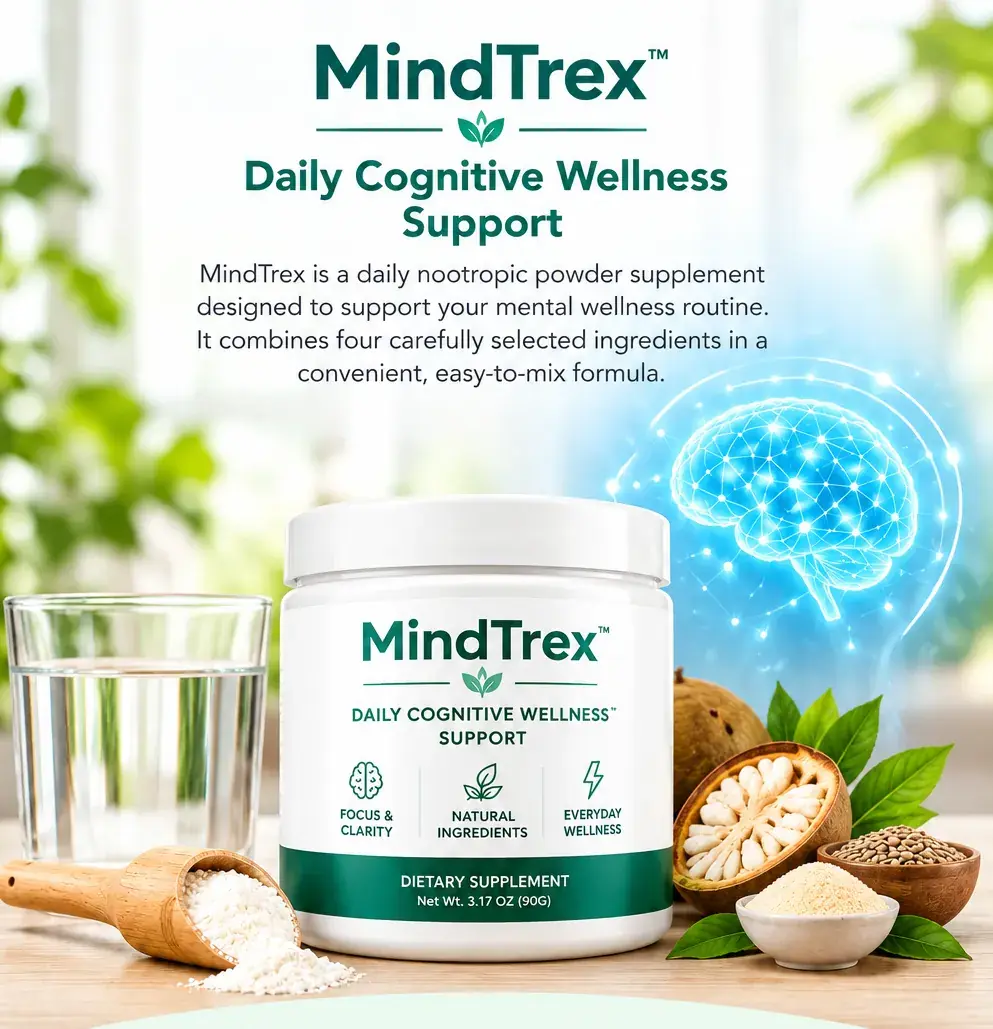
In conclusion, supporting brain health is a multifaceted endeavor that combines nutrition, exercise, mental engagement, and lifestyle choices. Understanding the biological changes that occur with age and recognizing the key nutrients and activities that may support cognitive function are vital for everyone, regardless of age. By integrating these insights into your daily life, you can take proactive steps toward maintaining your cognitive health. Remember, supplements like MindTrex can be part of a balanced approach. Here’s to a sharper, healthier brain!Frequently Asked Questions
What are the signs of cognitive decline?
Common signs include forgetfulness, difficulty concentrating, and confusion.
How does diet influence brain health?
A balanced diet rich in nutrients can support cognitive function and reduce the risk of decline.
Can exercise really improve my brain function?
Yes, studies indicate that regular physical activity can enhance both memory and cognitive performance.
What role does sleep play in cognitive health?
Quality sleep is essential for memory consolidation and overall brain function.
How can I manage stress for better brain health?
Practices like mindfulness, meditation, and physical exercise can help manage stress effectively.
Are there specific brain exercises I can do?
Activities like puzzles, reading, and learning new skills can help keep your mind sharp.
What is MindTrex and how can it help?
MindTrex is a supplement that may support cognitive function, complementing a healthy lifestyle.
How often should I engage in mental exercises?
Regularly, ideally daily, to maximize benefits for cognitive health.
Can supplements replace a healthy diet?
No, while supplements may support brain health, they should complement a balanced diet.
What lifestyle changes can I make for better brain health?
Incorporating balanced nutrition, regular exercise, quality sleep, and mental challenges is key.
References & Sources
- Age-Related Changes in Brain Structure — PubMed/NIH
- Dietary Omega-3 Fatty Acids and Cognitive Decline — Journal of Alzheimer's Disease
- Neurogenesis and Cognitive Function in Older Adults — Neuropsychobiology
- Sleep Quality and its Impact on Memory — Sleep Medicine Reviews
- Cognitive Engagement and its Benefits — Aging & Mental Health
- Effects of Physical Activity on Brain Health — Journal of Aging Research
- Natural Supplements for Cognitive Enhancement — Journal of Nutritional Biochemistry